

Ready to Put Together your Auto Emergency Kit?
As an avid road tripper and enthusiastic car owner, I know firsthand the importance of being prepared for any unexpected situations that may arise while on the road. That’s why I always make sure to have a well-stocked car emergency kit in my vehicle. Whether it’s a flat tire, a dead battery, or an unexpected breakdown, having the right tools and supplies can make all the difference in getting you back on the road safely and quickly.
Why You Need an Auto Emergency Kit
Imagine you’re driving down the highway, minding your own business, when suddenly your car starts acting up. The engine sputters, the warning lights flick on, and you realize you’re in trouble. Without a proper emergency car kit, you could be stranded on the side of the road, waiting for help to arrive. This not only puts you and your passengers at risk but can also be a major inconvenience, especially if you’re in a remote area or on a tight schedule.
An auto safety kit is your best defense against these types of unexpected situations. It provides you with the essential tools and supplies you need to address a wide range of issues, from minor repairs to more serious emergencies. By having these items readily available in your vehicle emergency kit, you can take immediate action to get your vehicle back in working order and continue on your way, minimizing the disruption to your journey.
Essential Items for Your Auto Emergency Kit
When it comes to building your car safety kit, there are several essential items you’ll want to include. Here’s a comprehensive list:
- Jumper Cables: These are crucial for jump-starting a dead battery, which can happen for a variety of reasons, from leaving your lights on to a malfunctioning alternator.
- Tire Repair Kit: Flat tires are one of the most common roadside issues, and a tire repair kit with tire sealant can help you quickly patch a puncture and get back on the road.
- Flashlight and Batteries: A reliable flashlight is essential for visibility in low-light conditions, whether you’re changing a tire or inspecting your vehicle. Consider adding emergency lights to your kit as well.
- Reflective Triangles or Flares: These warning devices, along with road flares or emergency flares, help make your vehicle more visible to other drivers, especially in the event of a breakdown or accident, improving safety for you and other motorists.
- Multi-Tool or Swiss Army Knife: A versatile tool with various functions, such as pliers, screwdrivers, and a knife, can come in handy for a wide range of minor repairs and adjustments.
- Duct Tape: This versatile adhesive can be used for a variety of temporary fixes, from holding together a broken part to sealing a hose leak.
- Rags or Paper Towels: These are useful for cleaning up spills, wiping down parts, or even using as a makeshift bandage in an emergency.
- Gloves: Protect your hands while working on your vehicle, whether you’re changing a tire or handling hot engine components.
- Bottled Water: Staying hydrated is important, especially in hot weather or if you’re stranded for an extended period. Make sure to include drinking water in your emergency roadside kit.
- Non-Perishable Snacks: Having some emergency food and energy-boosting snacks on hand can help you stay nourished and alert while dealing with a roadside emergency.
By including these essential items in your automotive emergency kit, you’ll be well-equipped to handle a wide range of common issues, from flat tires to battery problems, and get back on the road quickly and safely.
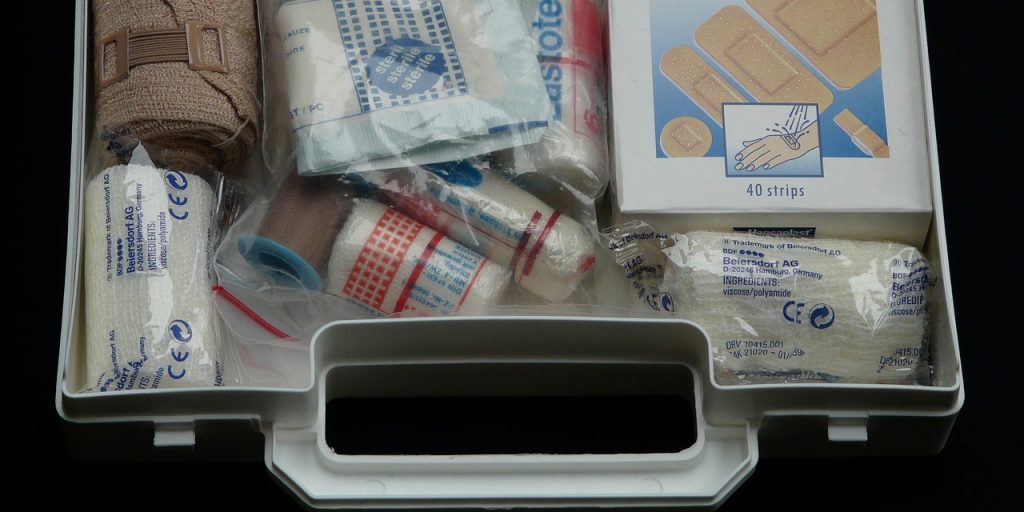
First Aid Supplies for Your Auto Emergency Kit
In addition to the essential tools and equipment, it’s also important to include a comprehensive first aid kit in your roadside safety kit. You never know when a minor injury or medical emergency may occur, and having the right supplies on hand can make all the difference.
Here’s a list of the key first aid items you should include:
- Bandages: Adhesive bandages, gauze pads, and rolls of gauze can be used to treat cuts, scrapes, and other minor injuries.
- Antiseptic Wipes: These help clean and disinfect wounds to prevent infection.
- Antibiotic Ointment: Applying a small amount of antibiotic ointment to cuts and scrapes can help promote healing and prevent infection.
- Pain Relievers: Over-the-counter pain medications like ibuprofen or acetaminophen can provide relief for headaches, muscle aches, or other minor pains.
- Instant Cold Pack: This can be used to reduce swelling and ease pain from sprains, strains, or other minor injuries.
- Scissors: Sharp scissors are essential for cutting bandages, clothing, or other materials in an emergency.
- Tweezers: Useful for removing splinters, ticks, or other small foreign objects.
- CPR Mask or Face Shield: These personal protective items can be used to administer CPR or rescue breathing in the event of a medical emergency.
By having these first aid supplies in your vehicle safety kits, you’ll be prepared to provide basic medical care and potentially save a life in the event of an accident or unexpected medical situation while on the road.
Tools and Equipment for Your Auto Emergency Kit
In addition to the essential items and first aid supplies, your emergency kit for car should also include a selection of tools and equipment to help you handle more complex vehicle issues. Here’s what I recommend:
- Tire Inflator and Sealant: An air compressor and tire sealant can be used to temporarily inflate and seal a flat tire, allowing you to drive to a repair shop.
- Lug Wrench and Jack: These are necessary for changing a flat tire and getting your vehicle back on the road.
- Electrical Tape and Fuses: Electrical issues can be tricky, but having these items on hand can help you make temporary repairs to wiring or fuses.
- Coolant and Motor Oil: Keeping a small supply of these fluids can help you top up your vehicle’s levels if you notice a leak or low fluid.
- Ratchet Set and Socket Wrench: These tools allow you to tighten or loosen various nuts and bolts on your vehicle, which can be useful for minor repairs or adjustments.
- Bungee Cords or Tow Strap: These can be used to temporarily secure a damaged part or even tow your vehicle to a repair shop if necessary.
- Fire Extinguisher: A small, portable fire extinguisher can be a lifesaver in the event of a vehicle fire or engine compartment blaze.
- Roadside Assistance Kit: This typically includes items like a warning triangle, safety vest, and emergency blanket to help make your vehicle more visible and keep you safe while waiting for help.
By having these tools and equipment in your emergency roadside kits, you’ll be better equipped to handle a wide range of vehicle-related issues, from flat tires to overheating problems, and get back on the road as quickly as possible.
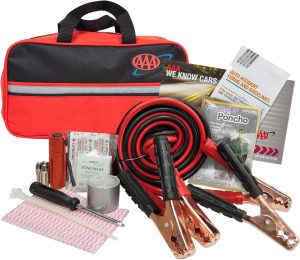 Ready-Made Auto Emergency Kits (and Where to Buy Them)
If the idea of assembling your own car survival kit sounds daunting, there are plenty of pre-made options available on the market. These emergency kits for cars typically include all the essential items and first aid supplies you need, packaged in a convenient, easy-to-store container.
Some popular and well-reviewed ready-made roadside emergency kit options include:
- AAA Deluxe Road Kit: This comprehensive kit includes jumper cables, a tire inflator, a first aid kit, and more, all packed in a sturdy carrying case.
- AUTODECO Premium Roadside Emergency Kit: This kit features a range of tools and supplies, including a tire repair kit, reflective triangles, and a high-visibility vest.
- Lifeline AAA Premium Road Kit: With items like a multi-tool, duct tape, and a flashlight, this kit is designed to handle a variety of roadside emergencies.
You can find these and other ready-made auto emergency kits at online retailers, auto parts stores, or even big-box stores. Prices typically range from $50 to $150, depending on the size and contents of the kit.
While a pre-made kit can be a convenient option, you may also want to consider customizing your own emergency kit to ensure it includes all the specific items and tools you need for your vehicle and driving habits. This can be a more personalized approach, but it does require a bit more time and effort on your part.
Important Documents and Contact Information to Include
In addition to the physical items in your auto emergency kit, it’s also important to include some essential documents and contact information. This can help you stay organized and prepared for a variety of situations.
Here’s what you should consider adding:
- Vehicle Registration and Insurance Information: Keep a copy of your vehicle’s registration and insurance documents in your kit, in case you need to provide this information to authorities or a towing service.
- Roadside Assistance Contact Information: If you have a membership with a service like AAA or your insurance provider offers roadside assistance, be sure to include their contact information in your kit.
- Emergency Contact List: Keep a list of phone numbers for family members, friends, or other trusted contacts who can be reached in the event of an emergency.
- Medical Information: Include any relevant medical information, such as allergies or pre-existing conditions, that could be important for first responders to know.
- Vehicle Maintenance Records: Keeping a record of your vehicle’s service history and any recent repairs can be helpful if you need to troubleshoot an issue or communicate with a mechanic.
By having these important documents and contact details readily available in your auto emergency kit, you’ll be better prepared to handle a wide range of situations, from a flat tire to a more serious emergency.
How to Store and Organize Your Auto Emergency Kit
Once you’ve assembled all the necessary items for your auto emergency kit, it’s important to find a suitable storage solution that keeps everything organized and easily accessible. Here are some tips:
- Choose the Right Container: Look for a sturdy, waterproof container, such as a plastic storage bin or a durable carrying case, to keep your kit’s contents protected and secure.
- Arrange Items Strategically: Organize your emergency kit’s contents in a way that makes sense for your needs. Group similar items together, and place the most essential items within easy reach.
- Label and Categorize: Use labels, dividers, or compartments to clearly identify the different sections of your kit, such as first aid, tools, and emergency supplies.
- Store Securely: Keep your auto emergency kit stored in your vehicle, either in the trunk or another easily accessible location. Avoid leaving it in direct sunlight or extreme temperatures, as this could damage some of the contents.
- Consider Accessibility: Make sure your kit is positioned in a way that allows you to quickly grab it in an emergency, without having to rummage through other items in your vehicle.
By taking the time to properly store and organize your auto emergency kit, you’ll be able to access the supplies you need quickly and efficiently when you need them most.
Maintenance and Expiration Checks for Your Auto Emergency Kit
Maintaining your auto emergency kit is just as important as assembling it in the first place. Over time, some of the items in your kit may expire or become damaged, so it’s crucial to perform regular checks and replacements.
Here’s a maintenance checklist to keep your kit in top shape:
- Expiration Dates: Check the expiration dates on any first aid items, batteries, or other perishable supplies, and replace them as needed.
- Functionality Checks: Ensure that all the tools and equipment in your kit are in working order, such as testing the flashlight and checking the tire pressure gauge.
- Replenishment: Restock any items that have been used or depleted, such as bandages, duct tape, or bottled water.
- Cleaning and Organization: Wipe down the container, reorganize the contents, and replace any damaged or worn items to keep your kit neat and ready for use.
- Seasonal Adjustments: Consider swapping out certain items based on the weather or time of year, such as adding an emergency blanket for winter or replacing it with sunscreen for summer.
I recommend performing a full maintenance check on your auto emergency kit at least once a year, or more frequently if you use it often or live in an area with extreme weather conditions.
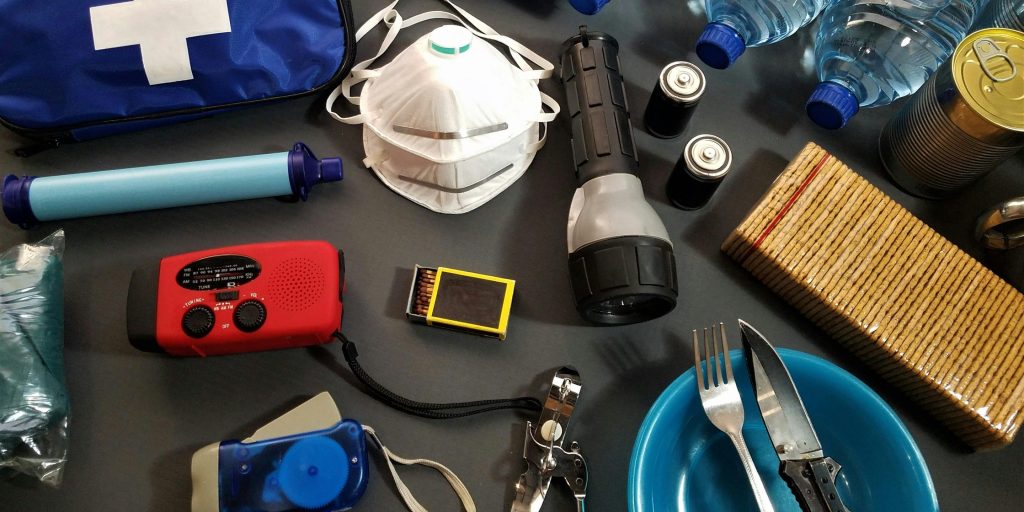
Additional Items to Consider for Your Auto Emergency Kit
While the essential items and first aid supplies we’ve discussed are a great foundation for your auto emergency kit, there are a few additional items you may want to consider including, depending on your specific needs and driving habits:
- Reflective Vest or Clothing: Wearing high-visibility gear can help make you more noticeable to other drivers, especially in low-light conditions or on the side of the road.
- Emergency Blanket or Poncho: These can provide warmth and protection in the event of a breakdown or accident, particularly in inclement weather.
- Hand Warmers: These small, single-use packets can help keep your hands and body warm if you’re stranded in cold conditions.
- Multi-Purpose Tool: A more comprehensive multi-tool with features like pliers, screwdrivers, and a knife can be a valuable addition to your kit.
- Portable Charger: Keeping your phone and other devices powered can be crucial for calling for help or accessing important information in an emergency.
- Whistle: A simple emergency whistle can help you signal for assistance if you’re stranded or in a dangerous situation.
- Trash Bags: These can be used for various purposes, from protecting your hands and clothing while working on your vehicle to creating an emergency poncho or shelter.
- Ice Scraper and Snow Brush: These tools are essential for maintaining visibility and safety during winter driving conditions. Consider adding them to your winter car kit.
- Window Breaker and Safety Hammer: These tools can be lifesaving in the event of an emergency where you need to quickly escape your vehicle.
- Survival Shovel: A compact, multi-functional shovel can be useful for digging your vehicle out of snow or mud, or for other emergency situations.
- Tire Repair Tools: In addition to a tire sealant, consider including a tire repair kit with tools like a plug kit and a tire pressure gauge.
- Battery Booster: A portable battery booster can help jump-start your vehicle’s battery without the need for another car.
- Emergency Radio: A hand-crank or battery-powered radio can keep you informed about weather conditions and emergency broadcasts.
Remember, the contents of your auto emergency kit should be tailored to your specific needs and driving conditions. Take some time to consider the unique challenges you might face and add any additional items that could help you stay prepared and safe on the road.
Tips for Using Your Auto Emergency Kit Effectively
Now that you’ve assembled your comprehensive auto emergency kit, it’s important to know how to use it effectively in the event of a roadside emergency. Here are some tips to keep in mind:
- Familiarize Yourself: Take the time to thoroughly review the contents of your kit and understand how to use each item. This will help you act quickly and confidently when you need to.
- Keep It Accessible: Store your auto emergency kit in a location that’s easy to reach, such as the trunk or the back seat, so you can quickly grab it if needed.
- Check It Regularly: Perform periodic maintenance checks to ensure your kit is fully stocked and the contents are in working order. Replace any expired or damaged items as necessary.
- Know When to Call for Help: While your auto emergency kit can help you address many minor issues, there may be times when it’s best to call for professional assistance, such as in the case of a major mechanical failure or an accident.
- Stay Safe: Always prioritize your own safety when using the items in your kit. Wear reflective gear, set up warning triangles, and avoid working on your vehicle in dangerous conditions or high-traffic areas.
- Keep Calm and Focused: Dealing with a roadside emergency can be stressful, but try to remain calm and focused. Refer to your kit’s contents and use the tools and supplies methodically to address the problem at hand.
By following these tips and using your auto emergency kit effectively, you’ll be better equipped to handle a wide range of unexpected situations and get back on the road safely and quickly.
Conclusion: Be Prepared and Stay Safe on the Road
In conclusion, having a well-stocked auto emergency kit is an essential part of being a responsible and prepared driver. By including the right tools, supplies, and first aid items in your kit, you’ll be able to address a variety of roadside issues, from flat tires to battery problems, and get back on the road with minimal disruption to your journey.
Don’t wait until you’re stranded on the side of the road to put together an auto emergency kit. Start building yours today and be prepared for whatever the road may throw your way. Visit our online store to browse a selection of high-quality, ready-made auto emergency kits that can give you peace of mind and help keep you safe on your travels.
By taking the time to assemble and maintain your auto emergency kit, you’ll be able to stay calm, focused, and in control when unexpected situations arise. So, the next time you hit the road, rest assured that you’ve got the tools and supplies you need to handle any challenge that comes your way.
More Road Worthy Reading!