
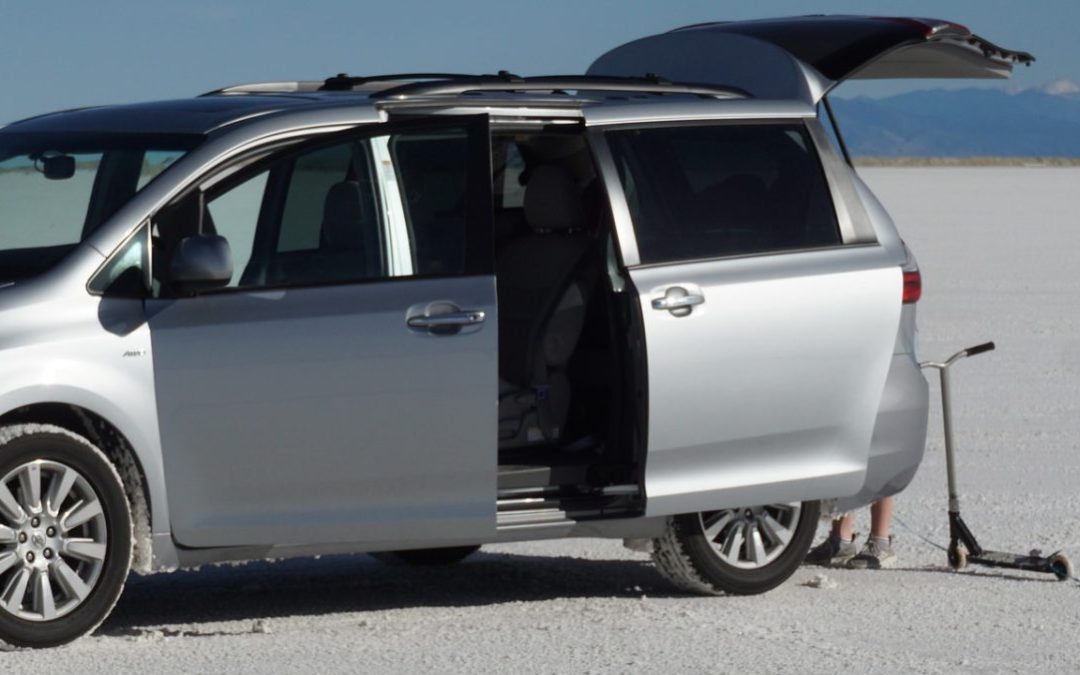
Importance of car maintenance before a road trip
As the weather warms up and the open road beckons, many of us start dreaming about embarking on a thrilling road trip adventure. However, before we hit the gas and set off on our journey, it’s crucial to ensure our trusty vehicle is in tip-top shape. Neglecting proper car maintenance before road trip can not only lead to breakdowns and costly repairs but can also compromise our safety on the road. That’s why, as an experienced road-tripper, I can’t stress enough the importance of planning and preparing our vehicles for the long haul.
Imagine being stranded on the side of a remote highway, miles away from the nearest town, with a flat tire or a dead battery. Not only is it inconvenient, but it can also put a damper on the entire road trip experience. By taking the time to perform essential road trip car maintenance checks and addressing any potential issues beforehand, we can minimize the risk of such scenarios and ensure a smooth, worry-free journey.
Moreover, a well-maintained vehicle can improve fuel efficiency, reducing the overall cost of our road trip and helping us stretch our budget further. It’s a win-win situation – we get to enjoy the scenic routes without worrying about breakdowns, and our wallets won’t take a massive hit at the gas pump.
Preparing your vehicle for a road trip
Before we embark on our road trip adventure, it’s crucial to give our vehicle a thorough once-over. This preparation process may seem daunting, but trust me, it’s worth the effort. By taking the time to address potential issues, we can hit the road with confidence and peace of mind.
Here’s a comprehensive road trip car checklist to help you get your car road trip-ready:
- Schedule a professional inspection: While we can tackle some maintenance tasks ourselves, it’s always a good idea to have a certified mechanic give our vehicle a thorough pre road trip inspection. They can identify any underlying issues and ensure everything is in proper working order. If you’re wondering “where can I get my car checked before a road trip“, look for reputable automotive service centers in your area that offer comprehensive road trip car check up services.
- Check the tires and wheels: Properly inflated and well-maintained tires are essential for a safe and comfortable ride. Inspect the tread depth, look for any signs of tire wear or damage, and ensure the tire pressure is at the recommended level. Consider getting a tire rotation as part of your road trip car inspection.
- Fluid levels and engine check: From the engine oil to the coolant and brake fluid, make sure all the essential vehicle fluids are topped up and within the recommended levels. A professional can also check for any leaks or potential engine maintenance issues.
- Inspect the brakes and lights: Brakes are crucial for safe driving, so have them inspected and replace any worn-out components. Additionally, check that all the lights – headlights, taillights, turn signals, and brake lights – are functioning correctly.
- Take care of the battery: A dead battery can ruin even the best-laid road trip plans. Have the battery checked and, if necessary, replace it with a new one to avoid any unwanted surprises on the road.
- Clean and organize your car: A clean and organized car not only looks and feels better but can also help you stay focused and comfortable during long drives. Remove any unnecessary clutter, vacuum the interior, and consider investing in some handy storage solutions for your road trip essentials.
By following this comprehensive road trip checklist for car, you’ll be well on your way to ensuring a smooth and enjoyable road trip experience.
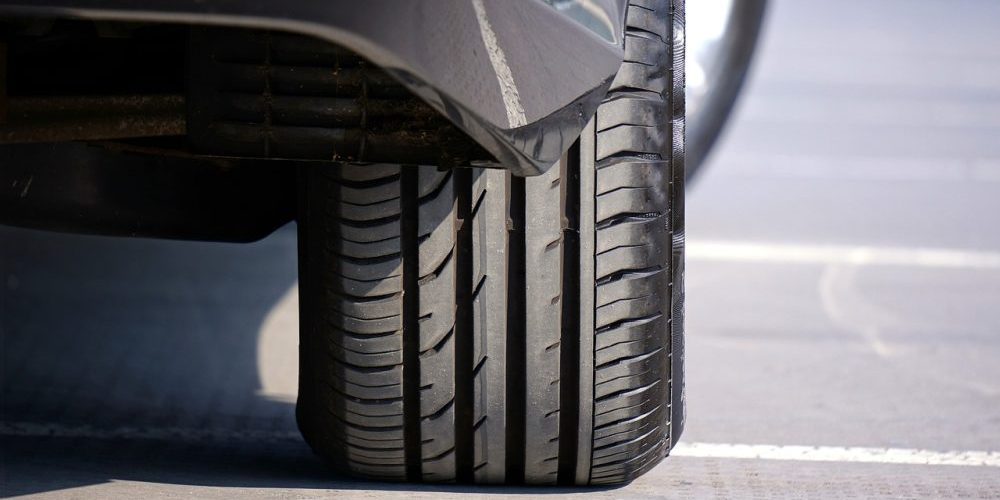
Checking the tires and wheels
As we prepare for our road trip, one of the most crucial components to inspect is our tires and wheels. After all, these are the only parts of our vehicle that make contact with the road, and their condition can significantly impact our safety and comfort.
First and foremost, let’s talk about tire tread depth. The tread on our tires is designed to provide traction and grip, especially in wet or slippery conditions. As the tread wears down, it becomes less effective, increasing the risk of hydroplaning or losing control on the road. Use the trusty penny test – if you can see the entire top of Lincoln’s head when inserting the penny upside down into the tread groove, it’s time to replace those tires.
Next, we need to check for any signs of wear or damage, such as cracks, bulges, or uneven tread wear. These issues can lead to blowouts or compromised handling, which is the last thing we want on a road trip. If you notice any concerning signs, it’s best to replace the affected tires before hitting the road.
Proper tire inflation is also crucial for a safe and comfortable ride. Under-inflated tires can lead to increased fuel consumption, premature wear, and even blowouts. Over-inflated tires, on the other hand, can cause a rougher ride and reduced traction. Follow the recommended tire pressure levels listed in your owner’s manual or on the placard typically found on the driver’s side door jamb.
While we’re at it, let’s not forget about the wheels themselves. Inspect them for any signs of damage, such as cracks, dents, or bent rims. These issues can not only affect the handling and safety of your vehicle but can also lead to further damage or even a blowout if left unaddressed. Consider getting an alignment check as part of your vehicle inspection to ensure your wheels are properly aligned for optimal performance and safety.
By taking the time to thoroughly inspect and maintain our tires and wheels, we can ensure a smooth, safe, and enjoyable road trip experience.
Fluid levels and engine check
As we gear up for our road trip adventure, it’s essential to pay close attention to our vehicle’s fluid levels and engine condition. These components play a crucial role in keeping our trusty ride running smoothly and efficiently, even on the longest of journeys.
Let’s start with the engine oil. This liquid lubricant is the lifeblood of our engine, helping to reduce friction and wear between moving parts. Before hitting the road, check the oil level and top it up if necessary. It’s also a good idea to consider an oil change before road trip if it’s been a while since your last one. Fresh, clean oil can help improve fuel efficiency and engine performance, ensuring a smoother ride.
Next up, the coolant. This vital fluid helps regulate the engine’s temperature, preventing it from overheating, especially during those long stretches on the highway. Check the coolant level and top it up if needed. If the coolant looks discolored or dirty, it might be time for a flush and refill to ensure optimal cooling performance.
Don’t forget about the brake fluid, power steering fluid, and transmission fluid either. These fluids to check before road trip are responsible for ensuring smooth and safe operation of critical vehicle systems. Low fluid levels or contaminated fluid can compromise your vehicle’s performance and safety, which is a significant concern on any road trip.
While you’re under the hood, take a moment to inspect the engine for any signs of leaks, loose connections, or worn-out components like belts and hoses. A professional mechanic can help identify and address any potential issues, ensuring your engine is running at peak performance for your upcoming journey.
By taking the time to check and maintain these critical fluid levels and engine components, you’ll not only improve your vehicle’s overall performance but also reduce the risk of breakdowns or costly repairs on the road. It’s an essential part of how to prepare your car for a road trip.
Inspecting the brakes and lights
As we prepare for our road trip, ensuring the proper functioning of our vehicle’s brakes and lights is of utmost importance. These crucial components play a vital role in our safety and the safety of other drivers on the road.
Let’s start with the brakes. These are the unsung heroes that allow us to stop safely and effectively, no matter the driving conditions. Before embarking on our journey, it’s essential to have a professional inspect the brake system, including the pads, rotors, and fluid levels. Worn-out brake pads or contaminated brake fluid can significantly reduce braking performance, putting us at risk in emergency situations.
While you’re at the mechanic, ask them to check the condition of the brake lines and calipers as well. Any leaks or damage to these components can compromise the entire braking system, potentially leading to a complete failure – a scenario we definitely want to avoid on the open road.
Next, let’s turn our attention to the lights. Properly functioning lights are not only crucial for our visibility on the road but also for communicating our intentions to other drivers. Start by checking the headlights, ensuring they are bright and properly aligned. Dim or misaligned headlights can reduce our visibility at night, increasing the risk of accidents.
Don’t forget about the taillights, turn signals, and brake lights, either. These lights are essential for signaling our presence and intentions to other drivers, especially when making turns or stopping suddenly. Replace any burned-out bulbs and ensure all the lights are working correctly.
It’s also a good idea to inspect the wiring and connections for any signs of damage or corrosion. Faulty wiring can cause intermittent or complete light failure, which can be incredibly dangerous, especially in low-light conditions.
By taking the time to inspect and maintain our brakes and lights, we can significantly improve our safety on the road and ensure a smooth, worry-free road trip experience. It’s a critical part of any car checklist before road trip.
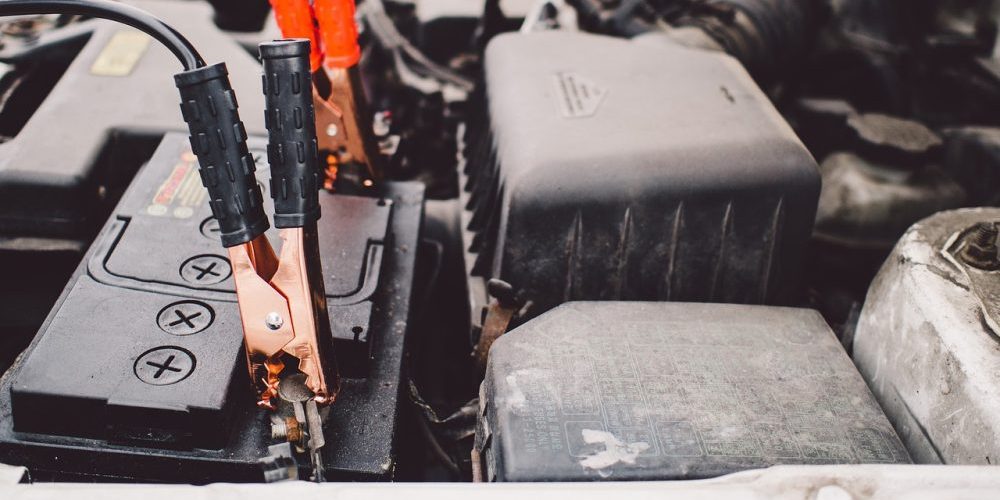
Taking care of the battery
As we prepare for our upcoming road trip adventure, it’s essential to pay close attention to one of the most crucial components of our vehicle – the battery. This unassuming power source is responsible for starting our engine and powering various electrical systems, making it a critical component for any journey.
Before hitting the road, it’s a good idea to have your battery tested by a professional. They can assess its overall condition and determine if it needs to be replaced. A weak or failing battery can leave you stranded, which is the last thing you want to deal with on a road trip.
If your battery is nearing the end of its lifespan, it’s better to replace it before embarking on your journey. A new battery will provide you with peace of mind and ensure reliable starting power, even in extreme temperatures or after extended periods of inactivity.
While you’re at it, take a moment to inspect the battery connections and cables. Loose or corroded connections can prevent the battery from charging properly or cause electrical issues. Clean and tighten any loose connections to ensure optimal power flow.
It’s also a good idea to consider investing in a portable jump starter or battery charger for your road trip. These handy devices can be lifesavers if your battery dies unexpectedly, allowing you to get back on the road quickly without the need for a jump start from another vehicle. Don’t forget to pack jumper cables in your emergency kit as well.
By taking the time to care for your battery and ensure it’s in top condition, you can minimize the risk of breakdowns and enjoy a smooth, uninterrupted road trip experience. It’s an essential part of how to know if your car can make a long trip.
The importance of a clean and organized car
As we prepare for our road trip adventure, it’s easy to get caught up in the excitement of planning the route, packing our essentials, and ensuring our vehicle is in top shape. However, one aspect that often gets overlooked is the importance of keeping our car clean and organized.
A cluttered and messy car can not only be an eyesore but can also contribute to discomfort and distraction while driving. Imagine trying to navigate through a sea of crumpled wrappers, empty water bottles, and miscellaneous items scattered across the floor and seats. Not only is it unsightly, but it can also be a safety hazard if something rolls under the pedals or obstructs your view.
By taking the time to declutter and organize your car before hitting the road, you’ll create a more comfortable and enjoyable environment for yourself and your passengers. Start by giving the interior a thorough cleaning, vacuuming up any dirt, crumbs, or debris that may have accumulated over time.
Next, consider investing in some handy storage solutions, such as organizers for the center console, door pockets, or trunk area. These can help keep your essential items neatly organized and within easy reach, preventing clutter from building up during your trip.
Don’t forget about the exterior, either. A clean and well-maintained exterior not only looks great but can also improve visibility and aerodynamics, potentially boosting fuel efficiency. Give your car a good wash and wax before hitting the road to ensure a sleek and shiny appearance throughout your journey.
By maintaining a clean and organized car, you’ll not only create a more comfortable and enjoyable environment for your road trip but also reduce distractions and potential safety hazards. Plus, it’s a great way to start your adventure on the right foot, with a fresh and tidy space to embark on your journey. It’s an often overlooked but important part of getting the car ready for a long trip.
Emergency kit essentials for a road trip
No matter how well-prepared we are, unexpected situations can always arise on the road. That’s why having a comprehensive emergency kit packed and ready to go is an essential part of any road trip preparation.
Let’s start with the basics: a first aid kit. This should include bandages, antiseptic wipes, gauze pads, and any necessary medications you or your passengers may need. It’s also a good idea to include a small flashlight, scissors, and tweezers, just in case.
Next, we’ll need some tools to help us out in case of a breakdown or flat tire. A compact jack, lug wrench, and a properly inflated spare tire are must-haves. Don’t forget to pack a tire pressure gauge and a can of tire sealant or a portable air compressor, too.
In case of a breakdown, having a set of emergency triangles or flares can help alert other drivers to your presence on the side of the road. A high-visibility vest or reflective jacket can also help ensure you’re visible to passing traffic.
For those unexpected situations where you might need to wait for assistance, it’s a good idea to pack some snacks, bottled water, and a blanket or two. Staying hydrated and comfortable can make a big difference when you’re stranded.
And let’s not forget about the importance of having a fully charged phone or portable charger, as well as a physical map or atlas in case your GPS or phone battery dies.
By assembling a comprehensive emergency kit and keeping it stocked and ready to go, you’ll have peace of mind knowing that you’re prepared for whatever the road may throw your way. It’s a crucial part of any road trip checklist.

Additional tips for a smooth road trip
As we’ve covered the essential maintenance and preparation tasks for our road trip, it’s time to share some additional things to check before a road trip to ensure a smooth and enjoyable journey.
First and foremost, plan your route carefully. While spontaneity can be fun, having a general idea of your stops and destinations can help you better estimate travel times, fuel consumption, and potential rest breaks. Don’t forget to factor in any scenic detours or attractions you may want to explore along the way.
Next, consider investing in a reliable GPS or navigation app. These tools can not only help you find the most efficient routes but can also provide real-time traffic updates, allowing you to adjust your plans accordingly.
Speaking of traffic, it’s always a good idea to check for any major construction zones or road closures along your planned route. These can cause significant delays and frustrations, so being prepared can help you avoid them or plan alternative routes if necessary.
If you’re traveling with children or pets, make sure to pack plenty of snacks, toys, and entertainment to keep them occupied during the longer stretches of the trip. Frequent stops for breaks and stretching can also help alleviate restlessness and make the journey more enjoyable for everyone.
Finally, don’t forget to take care of yourself as the driver. Stay hydrated, take breaks when needed, and avoid driving while fatigued or distracted. A well-rested and focused driver is essential for a safe and enjoyable road trip experience.
By following these additional tips and being prepared for any potential challenges, you’ll be well on your way to a smooth and memorable road trip adventure. It’s all part of preparing your car for a long trip.
Conclusion: Enjoy your road trip with a well-maintained car
As we reach the end of our road trip preparation journey, I hope you feel confident and excited to hit the open road. By taking the time to properly maintain and prepare your vehicle, you’ve taken a crucial step towards ensuring a safe, comfortable, and worry-free adventure.
Remember, a well-maintained car is not only more reliable but can also improve fuel efficiency, saving you money in the long run. Plus, the peace of mind that comes with knowing your vehicle is in top condition is truly priceless.
So, pack your bags, load up your emergency kit, and get ready to create unforgettable memories on the open road. Whether you’re exploring scenic back roads or cruising down the highway, your well-prepared vehicle will be your trusty companion every mile of the way.
If you’re feeling overwhelmed by the car maintenance tasks or simply don’t have the time or expertise, consider scheduling a comprehensive pre-trip inspection with a reputable automotive service center. Their team of certified technicians can thoroughly inspect your vehicle, address any issues, and provide you with the peace of mind you need to embark on your road trip adventure with confidence.
Safe travels, and happy road-tripping!