

Our road trip car maintenance checklist will help you avoid problems.
As an avid road-tripper, I know firsthand the thrill of hitting the open road and exploring new destinations. However, before embarking on any epic journey, it’s crucial to ensure your trusty vehicle is in top-notch condition. After all, the last thing you want is a breakdown in the middle of nowhere, ruining your adventure. That’s why I’ve put together this comprehensive road trip car maintenance checklist to help you prepare for a smooth and stress-free journey.
Importance of car maintenance before a road trip
Proper car maintenance is essential for several reasons. First and foremost, it ensures your safety and the safety of your passengers. A well-maintained vehicle is less likely to experience mechanical issues or breakdowns, reducing the risk of accidents or getting stranded on the side of the road. Additionally, regular maintenance can improve fuel efficiency, saving you money on gas and reducing your carbon footprint.
Furthermore, neglecting routine maintenance can lead to more significant and costly repairs down the line. By addressing potential issues before they become major problems, you can avoid expensive repair bills and extend the lifespan of your vehicle.
Road trip car maintenance checklist – an overview
Before we dive into the specifics, let’s take a quick look at the key areas we’ll be covering in our road trip car maintenance checklist:
- Checking and topping up fluids
- Inspecting tires and brakes
- Checking the battery and electrical system
- Testing lights and signals
- Checking the cooling system and radiator
- Inspecting belts and hoses
- Cleaning and replacing air filters
- Checking windshield wipers and washer fluid
- Testing the car’s heating and air conditioning system
- Inspecting the exhaust system
- Checking the spare tire and emergency tools
- Testing the car’s safety features
With this comprehensive checklist in hand, you’ll be well on your way to ensuring your vehicle is ready to tackle any adventure that lies ahead.
Checking and topping up fluids
Let’s start with the basics – fluids. These essential liquids play a crucial role in keeping your car running smoothly, and maintaining proper levels is vital for optimal performance and longevity.
- Engine Oil: Check your engine oil level and top it up if necessary. Low oil levels can cause excessive wear and tear on your engine, leading to costly repairs or even complete engine failure. Verify if you are need of an oil change.
- Coolant/Antifreeze: Ensure your coolant/antifreeze levels are within the recommended range. This fluid helps regulate your engine’s temperature, preventing overheating and potential damage.
- Brake Fluid: Inspect the brake fluid level and top it up if needed. Brake fluid is essential for proper braking performance and safety.
- Power Steering Fluid: If your vehicle has a hydraulic power steering system, check and refill the power steering fluid as necessary. This fluid ensures smooth and effortless steering.
- Windshield Washer Fluid: Don’t forget to top up your windshield washer fluid. You’ll be grateful for a clear view of the road ahead, especially during those long stretches of highway driving.
Remember, always refer to your owner’s manual for the recommended fluid types and quantities specific to your vehicle.
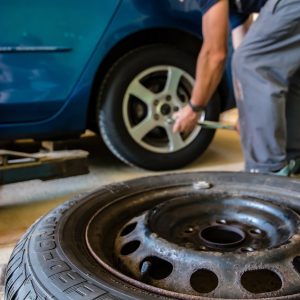 Inspecting tires and brakes
Tires and brakes are two of the most critical components when it comes to safe driving, especially on long road trips. Before you go, get a tire rotation if necessary and check the condition of your tires. Here’s what you need to check:
- Tire Pressure: Use a reliable tire pressure gauge to ensure all four tires (including the spare) are inflated to the recommended PSI (pounds per square inch). Underinflated tires can lead to poor handling, increased fuel consumption, and premature wear.
- Tire Tread Depth: Check the tread depth of your tires using the penny test or a tread depth gauge. Tires with insufficient tread depth can compromise traction and increase the risk of hydroplaning on wet roads.
- Tire Condition: Inspect your tires for any signs of damage, such as cuts, bulges, or uneven tire wear. If you notice any issues, it’s best to replace the affected tire(s) and get your alignment checked before your road trip.
- Brake Pads and Rotors: Have a qualified mechanic inspect your brake pads and rotors for wear and tear. Worn brakes can significantly reduce your stopping power, putting you and your passengers at risk.
- Brake Fluid Level and Condition: Check the brake fluid level and ensure it’s topped up if necessary. Also, inspect the fluid’s color and consistency – if it appears dark or contaminated, it may be time for a brake fluid flush.
Remember, tires and brakes are crucial for safe driving, so don’t skimp on their maintenance or replacement if needed.
Checking the battery and electrical system
A dead battery or electrical issue can quickly put a damper on your road trip plans. To avoid any unwanted surprises, follow these steps:
- Battery Inspection: Visually inspect your battery for any signs of corrosion, cracks, or leaks. Clean the battery terminals if necessary, and ensure all connections are secure.
- Battery Load Test: Consider having your battery load-tested by a professional. This test will determine if your battery has enough cranking power to start your engine reliably.
- Alternator and Charging System Check: Have a mechanic test your alternator and charging system to ensure they’re functioning correctly. A faulty alternator can drain your battery and leave you stranded.
- Electrical System Inspection: Check for any loose or damaged wiring, fuses, or connections that could cause electrical issues during your trip.
- Headlights and Exterior Lights: Ensure all headlights, taillights, turn signals, and other exterior lights are working correctly. Replace any burned-out bulbs or faulty components.
By addressing these electrical and battery-related issues, you can minimize the risk of breakdowns and ensure a smooth road trip experience.
Testing lights and signals
Speaking of lights, it’s essential to ensure all your vehicle’s lights and signals are functioning correctly. Not only is it a safety issue, but it’s also a legal requirement in most areas. Here’s what you need to check:
- Headlights: Test both low and high beam headlights to ensure they’re working correctly and properly aligned.
- Taillights: Check that your taillights (brake lights and running lights) are illuminating as intended.
- Turn Signals: Verify that all turn signals (front and rear) are working and flashing at the correct rate.
- Hazard Lights: Test your hazard lights to ensure they’re functioning correctly in case you need to use them in an emergency.
- Reverse Lights: If your vehicle is equipped with reverse lights, make sure they illuminate when you shift into reverse.
- Interior Lights: Don’t forget to check the interior lights, such as the dome light, map lights, and courtesy lights.
If you notice any issues with your lights or signals, replace the faulty bulbs or components immediately. Proper lighting is crucial for visibility and communicating your intentions to other drivers on the road.
Checking the cooling system and radiator
Overheating is a common issue that can quickly ruin a road trip if not addressed properly. To prevent this, you’ll need to inspect your vehicle’s cooling system and radiator:
- Coolant Level and Condition: Check the coolant reservoir level and top it up if necessary. Also, inspect the coolant’s color and consistency – if it appears rusty or contaminated, it may be time for a coolant flush.
- Radiator Inspection: Visually inspect the radiator for any signs of leaks, damage, or debris buildup that could impede proper cooling.
- Hose Inspection: Check all coolant hoses for cracks, bulges, or signs of deterioration. Worn or damaged hoses can lead to coolant leaks and potential overheating issues.
- Thermostat Check: If you suspect any issues with your vehicle’s thermostat (responsible for regulating coolant flow), have it tested or replaced by a professional.
- Radiator Fan Operation: Ensure the radiator fan(s) are functioning correctly by turning on the air conditioning and observing the fan’s operation.
Addressing any cooling system issues before your road trip can help prevent costly breakdowns and ensure a comfortable driving experience, even in hot weather conditions.
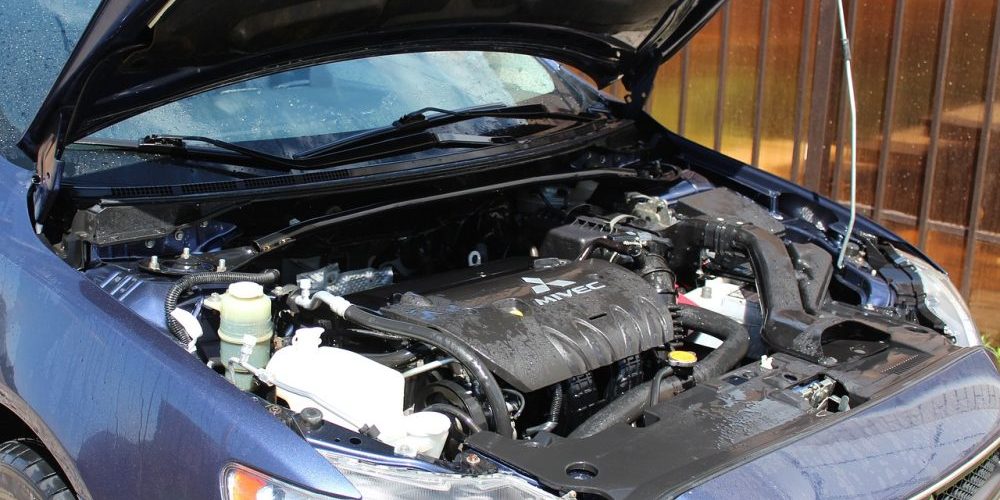
Inspecting belts and hoses
Belts and hoses may seem like minor components, but they play a crucial role in keeping your vehicle running smoothly. Over time, these components can degrade and need replacement. Here’s what you should check:
- Serpentine Belt Inspection: Inspect the serpentine belt (also known as the accessory belt) for cracks, fraying, or excessive wear. This belt drives essential components like the alternator, power steering pump, and air conditioning compressor.
- Timing Belt Inspection (if applicable): If your vehicle has a timing belt, it’s essential to check its condition and replace it according to the manufacturer’s recommended intervals. A broken timing belt can cause significant engine damage.
- Hose Inspection: Visually inspect all hoses (coolant, vacuum, fuel, and others) for cracks, bulges, or signs of leakage. Damaged hoses can lead to fluid leaks and potential engine or system failures.
- Belt Tensioner and Pulley Check: Ensure the belt tensioner(s) and pulleys are functioning correctly and not showing signs of excessive wear or damage.
Replacing worn belts and hoses before your road trip can prevent costly breakdowns and ensure your vehicle’s various systems operate efficiently.
Cleaning and replacing air filters
Clean air filters are essential for optimal engine performance and fuel efficiency. Clogged or dirty air filters can restrict airflow, leading to decreased power, reduced fuel economy, and potentially even engine damage. Here’s what you need to do:
- Engine Air Filter Inspection and Replacement: Locate your engine air filter and inspect it for excessive dirt or debris buildup. If it appears heavily soiled, replace it with a new filter according to your vehicle’s specifications.
- Cabin Air Filter Inspection and Replacement (if applicable): Many modern vehicles have a cabin air filter that helps remove pollen, dust, and other contaminants from the air entering the cabin. Check your owner’s manual for the location of this filter and replace it if necessary.
- Air Filter Housing Cleaning: While replacing the air filters, take the opportunity to clean the air filter housings and remove any accumulated debris or dirt.
Replacing air filters is a relatively inexpensive and straightforward maintenance task that can significantly improve your vehicle’s performance and your overall driving experience.
Checking windshield wipers and washer fluid
Clear visibility is crucial for safe driving, especially during inclement weather or unexpected road conditions. To ensure you have an unobstructed view, follow these steps:
- Wiper Blade Inspection: Inspect your windshield wiper blades for cracks, splits, or excessive wear. If the blades are leaving streaks or missing sections of the windshield, it’s time to replace them.
- Washer Fluid Level and Nozzle Check: Top up your windshield washer fluid reservoir and ensure the nozzles are functioning correctly and spraying fluid evenly across the windshield.
- Rear Wiper Blade Inspection (if applicable): If your vehicle has a rear wiper blade, don’t forget to inspect and replace it if necessary.
- Wiper Arm and Linkage Inspection: Check the wiper arms and linkages for any signs of damage or binding that could impede proper wiper operation.
Replacing worn wiper blades and ensuring an adequate washer fluid supply can significantly improve your visibility during your road trip, especially in adverse weather conditions.
Testing the car’s heating and air conditioning system
Comfortable cabin temperatures can make or break a long road trip, so it’s essential to ensure your vehicle’s heating and air conditioning systems are functioning correctly. Here’s what you need to check:
- HVAC System Operation: Turn on your heating and air conditioning systems and ensure they’re providing adequate heating or cooling as desired.
- Air Vent and Duct Inspection: Check that all air vents and ducts are free from obstructions and delivering air flow to the cabin as intended.
- Temperature Control and Blower Operation: Test the temperature control and blower settings to ensure they’re working correctly and providing the desired airflow.
- Cabin Air Filter Replacement (if applicable): As mentioned earlier, replace the cabin air filter if it appears dirty or clogged, as this can impact the HVAC system’s efficiency.
- Refrigerant Levels and System Inspection (if needed): If you notice any issues with the air conditioning system’s performance, have a professional inspect the refrigerant levels and check for any leaks or potential system faults.
Ensuring your heating and air conditioning systems are in top shape can make your road trip more comfortable, especially during extreme temperature conditions.
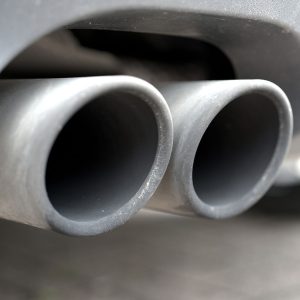 Inspecting the exhaust system
A properly functioning exhaust system is not only essential for your vehicle’s performance but also for your safety and the safety of your passengers. Here’s what you need to check:
- Visual Inspection: Perform a visual inspection of the entire exhaust system, including the exhaust pipes, muffler, catalytic converter (if applicable), and hangers. Look for any signs of rust, cracks, holes, or loose components.
- Leak Check: Start the engine and listen for any unusual noises or rattling sounds that could indicate a leak in the exhaust system.
- Emissions Check (if required): If your vehicle is due for an emissions test, have it performed before your road trip to ensure your exhaust system is operating within legal limits.
- Catalytic Converter Check (if applicable): If your vehicle has a catalytic converter, have it inspected for any signs of damage or clogging, as a faulty converter can negatively impact engine performance and emissions.
- Exhaust Hangers and Clamps Inspection: Check that all exhaust hangers and clamps are securely fastened and not showing signs of excessive wear or damage.
Addressing any issues with your exhaust system can improve your vehicle’s performance, reduce harmful emissions, and ensure a safer driving experience for you and your passengers.
Checking the spare tire and emergency tools
Even with thorough maintenance, unexpected situations can still arise during a road trip. That’s why it’s crucial to have a properly inflated spare tire and essential emergency tools on hand. Here’s what you need to check:
- Spare Tire Inspection: Locate your spare tire and ensure it’s properly inflated and in good condition. If you have a full-size spare, check that it meets the recommended tire specifications for your vehicle.
- Jack and Lug Wrench Check: Ensure your vehicle’s jack and lug wrench are present and in working order. Familiarize yourself with their proper use before your trip.
- Emergency Tool Kit: Assemble or purchase an emergency tool kit that includes items like jumper cables, a flashlight, a reflective triangle or road flares, a first aid kit, and basic hand tools.
- Tire Sealant or Inflator Kit (if applicable): If your vehicle came equipped with a tire sealant or inflator kit instead of a spare tire, ensure the kit is complete and within its expiration date.
- Roadside Assistance Information: Have the contact information for your roadside assistance provider readily available, in case you need to call for help during your trip.
Having these emergency supplies on hand can provide peace of mind and help you handle unexpected situations more effectively, minimizing disruptions to your road trip plans.
Testing the car’s safety features
Safety should always be a top priority, especially when embarking on a long road trip. Take the time to ensure your vehicle’s safety features are functioning correctly:
- Seatbelt Inspection: Check that all seatbelts are in good condition, free from frays or damage, and that the retractors and buckles are working correctly.
- Airbag System Check: Have a professional inspect your vehicle’s airbag system to ensure all components are functioning correctly and that no warning lights are illuminated.
- Brake System Inspection: As mentioned earlier, have your brakes (pads, rotors, and fluid) inspected and serviced if necessary to ensure proper braking performance.
- Tire Pressure Monitoring System (TPMS) Check: If your vehicle is equipped with a TPMS, ensure it’s functioning correctly and that all tire pressure sensors are working properly.
- Backup Camera and Parking Sensor Check (if applicable): Test your backup camera and parking sensors to ensure they’re providing accurate visual and audible warnings when reversing.
- Child Safety Seat Inspection (if applicable): If you’ll be traveling with children, inspect their safety seats to ensure they’re properly installed and meet current safety standards.
By ensuring your vehicle’s safety features are in good working order, you can have greater peace of mind and confidence during your road trip adventures.
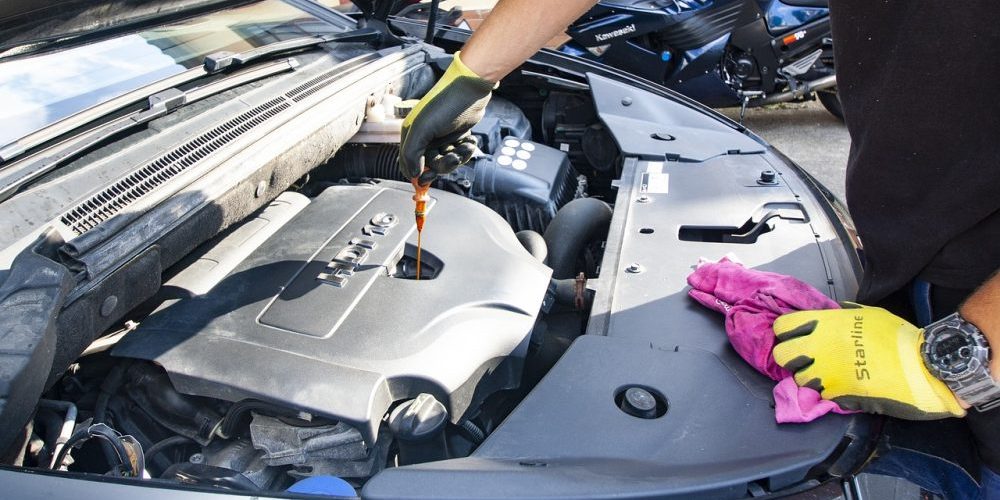
Road trip car maintenance tips and tricks
In addition to the comprehensive checklist, here are some bonus tips and tricks to help you prepare your vehicle for a successful road trip:
- Consider having your vehicle serviced by a professional mechanic before a long road trip. They can perform a thorough inspection and address any potential issues you may have missed.
- Keep a maintenance log or record of all the services and repairs performed on your vehicle. This can help you stay on top of recommended maintenance intervals and identify any recurring issues.
- Pack a basic tool kit and spare parts, such as fuses, belts, and hoses, in case you need to make minor repairs on the road.
- If you’re planning to drive through extreme weather conditions (hot or cold), consider investing in additional protective gear for your vehicle, such as an engine block heater or a sun shade.
- Familiarize yourself with your vehicle’s owner’s manual and emergency procedures, so you’re prepared to handle any unexpected situations that may arise during your road trip.
- Plan your route in advance and research potential service stations or repair facilities along the way, in case you need to make any unexpected stops.
- Consider joining a roadside assistance program or ensuring your existing coverage is up-to-date and valid for the areas you’ll be traveling through.
- If you’re renting a vehicle for your road trip, thoroughly inspect it before leaving the rental lot and address any concerns with the rental company.
- Pack snacks, water, and other essentials in case you encounter unexpected delays or breakdowns during your journey.
- Most importantly, remember to enjoy the journey! A well-maintained vehicle and a little preparation can go a long way in ensuring a smooth and memorable road trip experience.
Conclusion and final thoughts
As you can see, proper road trip car maintenance is essential for ensuring a safe, enjoyable, and stress-free journey. By following this comprehensive checklist and incorporating the additional tips and tricks, you’ll be well on your way to hitting the open road with confidence.
Remember, a little preparation can go a long way in preventing breakdowns and costly repairs, allowing you to focus on creating unforgettable memories with your loved ones. So, take the time to give your trusty vehicle the attention it deserves, and get ready to embark on your next adventure with peace of mind.
Happy travels, and may the open road treat you kindly!