
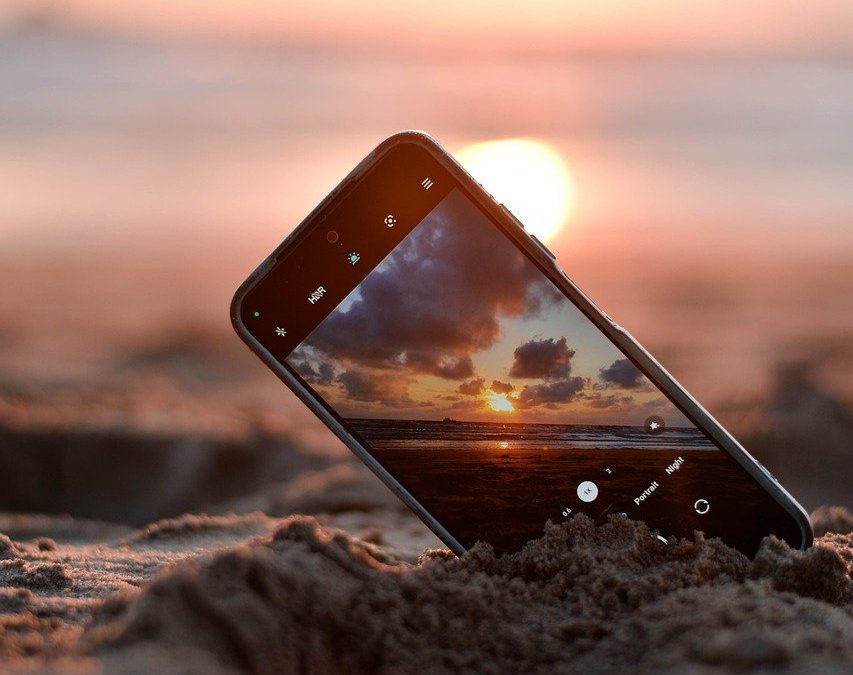
Ready to learn these road trip photography tips
Are you ready to hit the open road and capture the ultimate road trip photo? As an experienced photographer, I’ve learned that on the road photography is an art form all its own. From stunning landscape photography road shots and iconic landmarks to unexpected moments of culture and wildlife, there’s so much to discover and immortalize through the lens on a photography road trip.
In this comprehensive guide, I’ll share my top tips and tricks to help you take your roadtrip photography to the next level. Whether you’re a seasoned shutterbug or just starting out, get ready to elevate your travel photos and create lasting memories from your journey.
Introduction to Road Trip Photography
Road trip photography is all about embracing the unexpected and being prepared for anything. Unlike a studio or even a typical landscape photography shoot, you’re constantly on the move, encountering new scenes and fleeting moments that require quick reflexes and a keen eye.
The thrill of the open road is what makes road trip photography so exciting. You never know what’s around the next bend – a breathtaking vista, a quirky roadside attraction, or a once-in-a-lifetime wildlife sighting. It’s all about being present, staying alert, and capturing the essence of the journey in your road trip pics.
As you hit the road, remember that the journey itself is just as important as the destination. Pay attention to the little details, the unexpected pockets of beauty, and the human connections you make along the way. These are the moments that will truly make your road trip pictures stand out.
Essential Gear for Road Trip Photography
When it comes to road trip photography, having the right gear is crucial. You’ll want to strike a balance between being prepared and keeping your load light, as you’ll be constantly on the move. The best camera for road trip photography is one that is lightweight, high-performance, and can handle a variety of shooting conditions.
Here’s a list of essential camera gear I always pack for my road trips:
- Camera Body: Opt for a lightweight, high-performance DSLR or mirrorless camera that can handle a variety of shooting conditions. Consider bringing a backup camera body as well.
- Lenses: Bring a versatile zoom lens (e.g., 24-70mm or 24-105mm) and a prime lens (e.g., 50mm or 85mm) for capturing both wide-angle lens landscapes and detailed close-ups.
- Tripod: A compact, lightweight tripod is a must-have for capturing sharp, blur-free shots, especially in low-light conditions or for long exposures.
- Filters: Invest in a circular polarizing filter to reduce glare and enhance color, and a neutral density filter for capturing silky-smooth water or blurred motion.
- Extra Batteries and Memory Cards: Always have spare batteries and plenty of storage space to ensure you never miss a shot.
- Cleaning Supplies: Pack a microfiber cloth, lens cleaner, and a sensor cleaning brush to keep your gear in top condition.
- Power Bank: A portable power bank will ensure your devices stay charged on the go.
- Smartphone: Don’t forget your smartphone, as it can be a valuable backup camera and a tool for capturing quick, spontaneous moments.
- Camera Backpack: A sturdy, comfortable camera backpack is essential for safely transporting your gear on the road.
Remember, the key is to pack light and focus on the essentials. Avoid weighing yourself down with unnecessary gear, as you’ll be doing a lot of walking and exploring during your road trip photography.
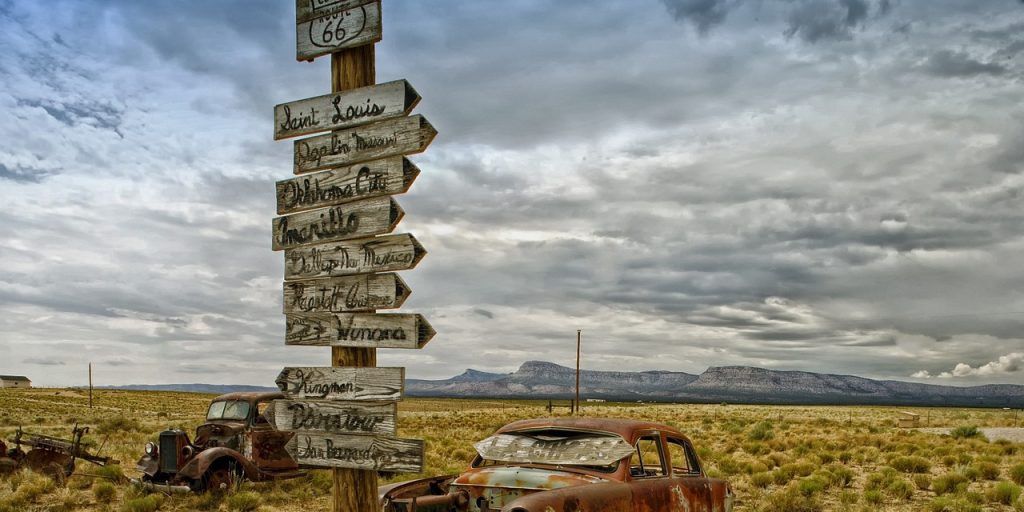
Planning Your Road Trip Photography Route
Before you hit the open road, it’s essential to plan your route carefully. This will not only help you maximize your time and capture the best shots but also ensure a seamless and stress-free journey.
Start by researching destinations and identifying the must-see locations, iconic landmarks, and scenic locations. Consider consulting travel guides, photography blogs, and online forums to gather insider tips and recommendations. Tools like Google Maps can be invaluable for itinerary planning and finding the best routes between destinations.
Next, map out your route, taking into account the distance between each location, the time of day, and the best lighting conditions for photography. This will help you create a realistic itinerary and avoid rushing through your shots.
Don’t be afraid to leave room for spontaneity and unexpected detours. Some of the most memorable road trip images often come from stumbling upon hidden gems or serendipitous moments. Be open to exploring and discovering new places along the way.
Remember to factor in rest stops, meal breaks, and time for scouting locations. Road trips can be physically and mentally demanding, so it’s important to pace yourself and stay refreshed.
Choosing the Right Time for Your Road Trip Photography
Timing is everything in road trip photography, and the time of day can make a significant difference in the quality and mood of your shots.
I always recommend aiming for the “golden hour” – the first and last hour of daylight when the sun is low on the horizon, casting a warm, flattering glow on your subjects. This is the perfect time to capture stunning sunset photography or sunrise photography, architecture, and portraits.
During the middle of the day, when the sun is high in the sky, the light can be harsh and unflattering. However, this can be an excellent time to photograph wildlife, explore indoor locations, or experiment with creative techniques like long exposures or silhouettes.
Pay attention to the weather and cloud cover as well. Overcast skies can create a soft, diffused light that’s perfect for capturing moody, atmospheric shots. On the other hand, clear skies with dramatic clouds can add depth and drama to your landscape photography road images.
Don’t be afraid to adjust your schedule or change your plans to take advantage of the best lighting conditions. Sometimes, the perfect road trip pic is worth a slight detour or an early wake-up call.
Capturing Landscapes and Nature During Your Road Trip
One of the primary joys of road trip photography is the opportunity to capture the ever-changing landscapes and natural wonders along the way. From towering mountains and serene lakes to winding roads and sweeping vistas, the great outdoors provide a breathtaking canvas for your creativity.
When photographing landscapes, remember to consider the composition and use of negative space. Look for leading lines, such as roads, rivers, or ridges, to guide the viewer’s eye through the frame. Experiment with different perspectives, like shooting from a high vantage point or getting low to the ground.
Pay attention to the details as well – the texture of the rocks, the patterns in the clouds, the reflection in a still body of water. These small elements can add depth and interest to your landscape photography road shots.
Don’t forget to capture the changing seasons and weather conditions. A landscape that looks stunning in the golden hues of autumn may take on a completely different character in the winter snow or the vibrant greens of spring.
Tips for Photographing Wildlife on Your Road Trip
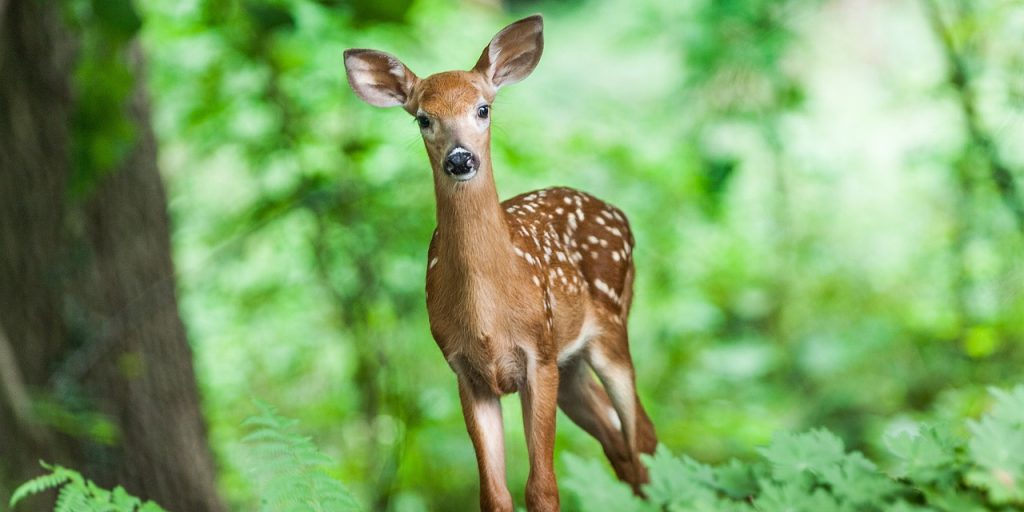
Capturing wildlife on a road trip can be an exhilarating and rewarding experience, but it also requires patience, stealth, and a bit of luck. Keep your camera at the ready, as you never know when a majestic elk, a curious coyote, or a soaring eagle might cross your path.
When photographing wildlife, the key is to approach slowly and quietly, avoiding sudden movements that could startle your subject. Use your telephoto lens to zoom in and capture the animal’s details, but be mindful of the minimum focusing distance to avoid getting too close and disturbing the creature.
Pay attention to the animal’s behavior and body language, as this can help you anticipate their next move and be ready to capture the perfect road trip image. Look for unique behaviors, such as a bird in flight, a deer grazing, or a bear fishing in a stream.
If you’re in a vehicle, use it as a mobile hide, keeping your movements and noise to a minimum. This can help you get closer to the wildlife without alarming them.
Remember to respect the animals and their natural habitats. Never approach or feed wild creatures, as this can disrupt their behavior and put them at risk.
Photographing Architecture and Landmarks on Your Road Trip
Road trips often take us to iconic landmarks and historic architecture, providing endless opportunities to capture stunning, one-of-a-kind shots. From towering skyscrapers to quaint small-town buildings, each structure has its own unique character and story to tell.
When photographing architecture, pay attention to the lines, shapes, and textures that define the building. Look for interesting angles, such as shooting from a low perspective to emphasize the height or using leading lines to guide the viewer’s eye through the frame.
Don’t be afraid to get close and capture the intricate details, like ornate carvings, stained glass windows, or the play of light and shadow on the facade. These elements can transform a familiar landmark into a work of art.
Consider the surrounding environment as well. Incorporating the landscape, nearby trees, or even the people interacting with the architecture can add context and depth to your shots.
Remember to respect any restrictions or rules regarding photography at historical sites or private properties. Always be mindful of your surroundings and the impact your presence might have on the location.
Mastering Composition in Road Trip Photography
Composition is the foundation of any great road trip photo, and it’s especially crucial in road trip photography, where you’re constantly faced with new and ever-changing scenes.
One of the most important compositional techniques is the rule of thirds. Imagine dividing your frame into a 3×3 grid, and then placing your subject or points of interest along the intersecting lines or at the edges of the frame. This creates a more visually balanced and dynamic composition.
Experiment with different perspectives and camera angles as well. Shooting from a low angle can add drama and emphasize the scale of your subject, while a high vantage point can provide a unique bird’s-eye view.
Don’t be afraid to break the rules, too. Sometimes, a perfectly centered subject or a symmetrical composition can be just as powerful and impactful.
Pay attention to the negative space in your frame, as well. Leaving room around your subject can help create a sense of balance and draw the viewer’s eye to the main focus of the image.
Remember, the goal of composition is to guide the viewer’s eye through the frame and create a visually compelling, cohesive road trip picture. With practice and experimentation, you’ll develop a keen eye for finding the perfect composition in every scene.
Tips for Capturing People and Culture on Your Road Trip
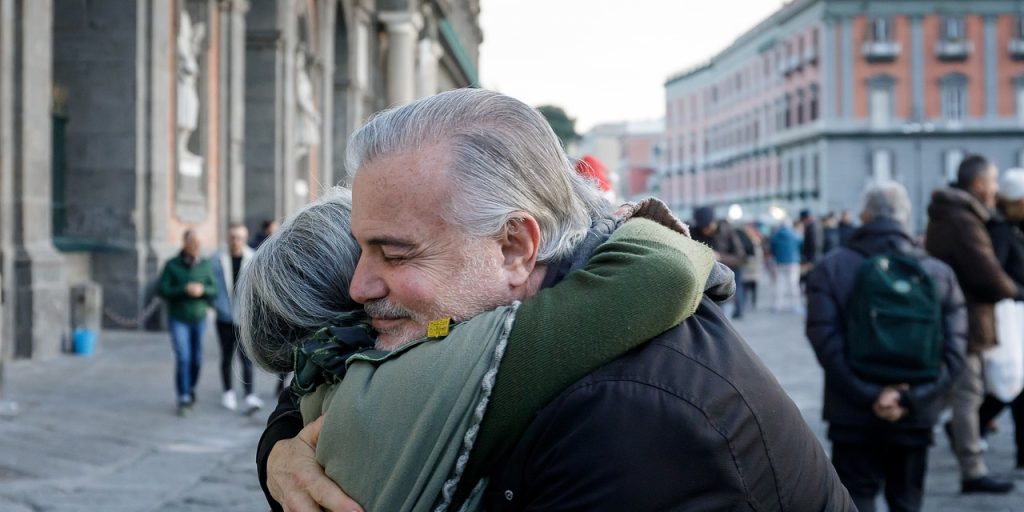
Road trips offer an incredible opportunity to connect with the people and cultures you encounter along the way. From friendly locals to vibrant street scenes, these human elements can add depth, emotion, and authenticity to your travel photography.
When photographing people, always be respectful and ask for permission before taking their picture. Engage with your subjects, learn about their stories, and try to capture their unique personalities and expressions.
Look for candid moments, such as people going about their daily routines or interacting with one another. These unscripted shots can often be more powerful and compelling than posed portraits.
Consider the context and environment as well. Incorporating the surrounding architecture, landscape, or cultural elements can help tell a more complete story about the people and places you encounter.
Don’t be afraid to step out of your comfort zone and immerse yourself in the local culture. Attend festivals, visit community centers, or simply wander the streets, keeping your camera at the ready to capture the vibrant energy and unique traditions.
Remember, the key to successful people and culture photography is to approach with empathy, respect, and a genuine curiosity to learn and connect.
Editing and Post-Processing Your Road Trip Photos
Once you’ve captured your stunning road trip pictures, the next step is to bring them to life through careful editing and post-processing. This is where you can refine your shots, enhance the mood and atmosphere, and truly make your photographs stand out.
Start by culling your images, selecting the best shots that capture the essence of your journey. Don’t be afraid to be ruthless – the fewer images you have to work with, the more time you can dedicate to perfecting each one.
Next, use photo editing software like Adobe Lightroom or Photoshop to make adjustments to your images. This might include adjusting the exposure, tweaking the white balance, or enhancing the colors and contrast.
Experiment with creative editing techniques as well, such as applying selective adjustments, using layer masks, or incorporating textures and overlays. These techniques can help you develop a unique, personal style and transform your road trip pics into works of art.
Remember to always work with a non-destructive workflow, keeping your original files intact and creating duplicate layers or copies for your edits. This will allow you to make adjustments and revisions as needed without compromising the integrity of your images. Be sure to backup photos regularly to an external hard drive to avoid losing your precious work.
Take the time to refine your edits, paying close attention to the small details and nuances that can make a big difference in the final result. A well-edited road trip image can elevate a good photograph into a truly stunning one.
Showcasing and Sharing Your Road Trip Photography
Once you’ve captured and edited your road trip pictures, it’s time to share them with the world! There are countless ways to showcase your work and inspire others to embark on their own photographic adventures.
Start by creating a dedicated online portfolio or gallery to display your best shots. This could be a personal website, a dedicated photography platform like 500px or Behance, or even a social media account like Instagram or Flickr.
Consider submitting your work to photography contests, exhibitions, or publications as well. This not only helps you gain recognition for your talent but also exposes your work to a wider audience.
Don’t forget to share your images with family and friends, too. They’ll appreciate the opportunity to relive your journey and experience the sights and emotions you captured through your lens.
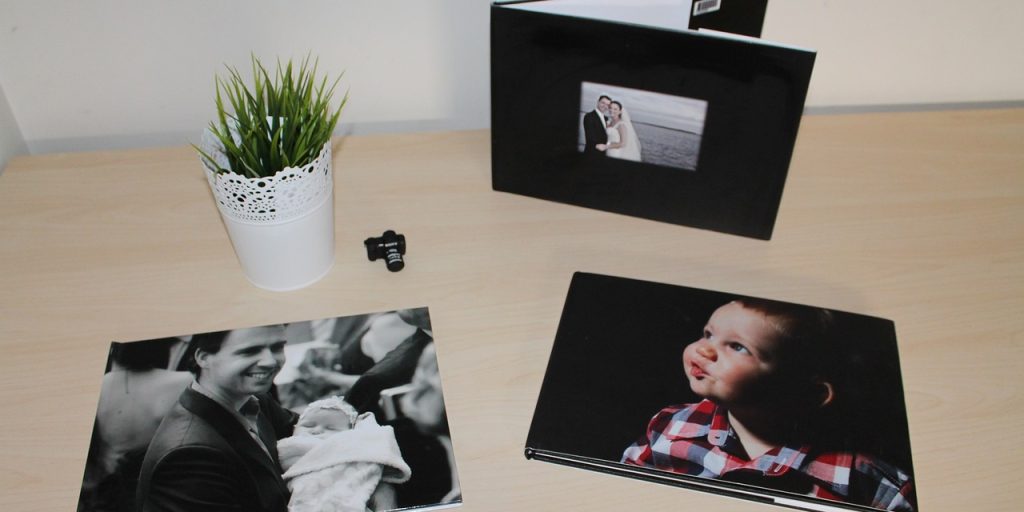
Finally, remember to print and display your favorite road trip photos in your home or office. There’s something truly special about holding a physical print in your hands and being able to immerse yourself in the memories of your adventure.
As you hit the open road, don’t forget to share a few of your shots with me! I’d love to see the stunning landscapes, vibrant cultures, and unexpected moments you capture along the way. Tag me on social media or send me a link to your online gallery – I can’t wait to be inspired by your road trip photography.
Conclusion: Embrace the Adventure and Capture the Memories
Road trip photography is a unique and rewarding journey in itself, filled with endless opportunities to capture the beauty, diversity, and spirit of the world around you. By embracing the unexpected, mastering your gear, and honing your creative vision, you’ll be well on your way to creating a stunning visual diary of your travels.
Remember, the true essence of road trip photography lies in the journey itself. So, pack your bags, hit the open road, and let the adventure unfold. With your camera in hand, you’ll be able to turn every twist and turn into a masterpiece, preserving the memories of your journey for years to come.
So, what are you waiting for? Start planning your next road trip photography adventure, and get ready to capture the experience of a lifetime! Don’t forget to bring your hiking shoes, consult tide tables if needed, and embrace the freedom of van life on the open road. With careful preparation and a spirit of adventure, you’ll be ready to capture amazing road trip photo ideas and road trip picture ideas at every turn. Happy shooting!
More Road Worthy Reading!