
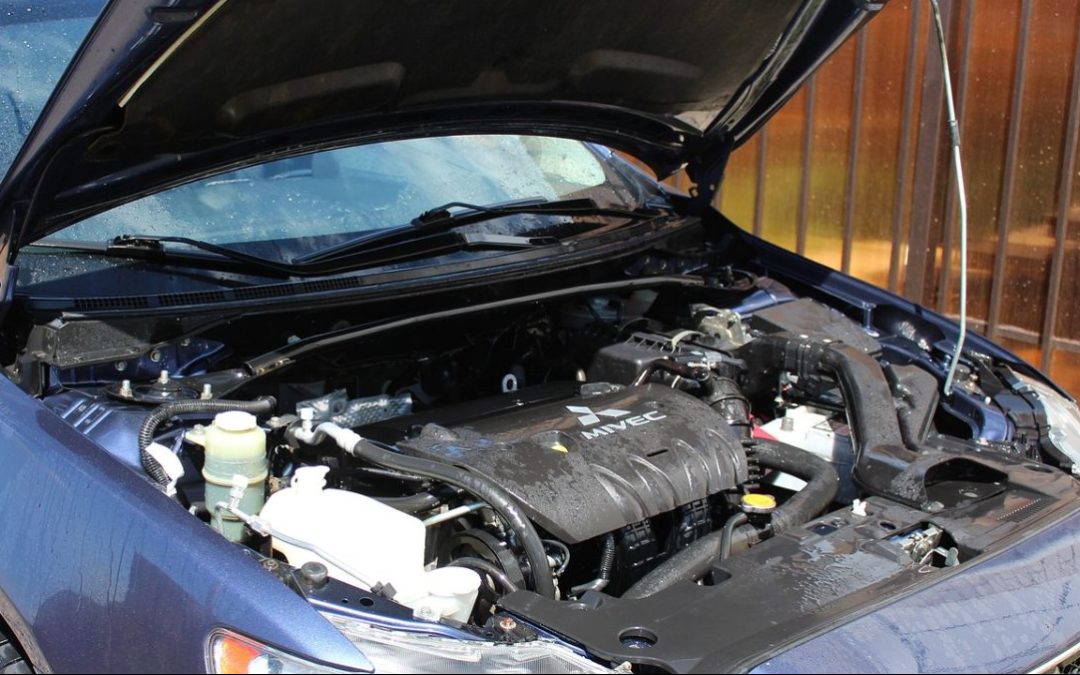
The importance of vehicle fluid checks before travel
As someone who loves hitting the open road, I can’t stress enough the significance of conducting thorough car fluid checks before a trip. Whether it’s a short trip or a cross-country adventure, neglecting these essential car fluid checks can lead to costly breakdowns, compromised safety, and a whole lot of frustration. Trust me, there’s nothing worse than being stranded on the side of the road with a preventable issue.
Maintaining proper fluid levels is crucial for the smooth operation of your vehicle’s various systems. From the engine to the brakes, each component relies on specific fluids to function optimally. By taking the time to perform vehicle fluid inspection and top up these important fluids to check before travel, you’re investing in the longevity of your vehicle and ensuring a stress-free journey.
In this article, I’ll guide you through the different vehicle fluids, how to check car fluids, and why they’re so important. Buckle up and get ready to become a pro at keeping your ride in tip-top shape through proper road trip vehicle maintenance!
Understanding the different vehicle fluids
Before we dive into the nitty-gritty of fluid checks, let’s take a moment to understand the different types of essential vehicle fluids that keep your vehicle running smoothly:
- Engine Oil: This liquid gold is the lifeblood of your engine, lubricating moving parts and preventing excessive wear and tear. Regular oil changes are a key part of car maintenance before a road trip.
- Coolant: Also known as antifreeze, this fluid helps regulate your engine’s temperature, preventing overheating and potential damage. Checking coolant levels is an important part of engine cooling maintenance.
- Brake Fluid: As the name suggests, this fluid is responsible for ensuring your brake system functions properly, allowing you to stop safely and with confidence. Inspecting your brake pads is also crucial for road trip preparation.
- Power Steering Fluid: This fluid helps you steer with ease, making it easier to navigate tight turns and maneuver in parking lots. Power steering fluid is one of the key car fluids to check before traveling.
- Transmission Fluid: This fluid keeps your transmission operating smoothly, ensuring seamless gear shifts and optimal performance. Transmission fluid is a critical component of vehicle fluid maintenance.
There are a few other fluids you may need to check, depending on your vehicle’s make and model, such as windshield washer fluid, differential fluid, and transfer case fluid (for all-wheel or four-wheel drive vehicles).
How to check engine oil levels
Checking your motor oil is one of the most fundamental fluid checks you should perform regularly. Here’s a simple car fluid check guide on how to do it:
- Park your vehicle on a level surface and wait for the engine to cool down completely.
- Locate the dipstick, typically located near the front of the engine compartment, and pull it out.
- Wipe the dipstick clean with a clean rag or paper towel.
- Reinsert the dipstick fully, then pull it out again to check the oil level.
- The oil level should be between the minimum and maximum marks on the dipstick. If it’s below the minimum, it’s time for an oil change.
Remember, checking your oil level regularly is crucial for maintaining your engine’s health. Low oil levels can lead to increased friction, excessive wear, and even catastrophic engine failure.
Checking and topping up coolant levels
Maintaining the proper coolant level is essential for preventing your engine from overheating. Here’s how to check and top up your coolant as part of your pre-trip vehicle fluid check:
- Locate the coolant reservoir, usually a transparent plastic container near the radiator.
- Check the coolant level by looking at the markings on the side of the reservoir.
- If the level is below the minimum mark, you’ll need to top it up.
- Carefully remove the cap from the reservoir and pour in the appropriate coolant or a 50/50 mixture of coolant and distilled water.
- Replace the cap and ensure it’s tightened securely.
It’s important to note that you should never remove the radiator cap when the engine is hot, as the coolant system is under pressure and can cause severe burns.
Inspecting brake fluid for safety
Your brakes are one of the most critical safety inspection components of your vehicle, and the brake fluid plays a vital role in their performance. Here’s how to inspect and top up your brake fluid:
- Locate the brake fluid reservoir, typically found near the master cylinder or in the engine compartment.
- Check the fluid level by looking through the transparent reservoir or by removing the cap.
- The fluid level should be between the minimum and maximum marks on the reservoir.
- If the level is low, carefully top it up with the recommended brake fluid for your vehicle.
It’s crucial to use the correct type of brake fluid, as mixing different types can lead to contamination and potentially compromise your braking system’s performance. If you’re unsure about the type of brake fluid to use, consult your owner’s manual or seek professional assistance.
The significance of power steering fluid checks
Power steering fluid is often overlooked, but it plays a crucial role in making your vehicle easier to steer and maneuver. Here’s how to check and top up your power steering fluid as part of your vehicle fluid check tips:
- Locate the power steering fluid reservoir, typically found near the engine or on the driver’s side of the engine compartment.
- Check the fluid level by looking at the markings on the reservoir or by removing the cap.
- If the level is low, carefully top it up with the recommended power steering fluid for your vehicle.
It’s important to note that some vehicles have an electric power steering system that doesn’t require fluid. Consult your owner’s manual or seek professional assistance if you’re unsure about your vehicle’s power steering system.
Checking transmission fluid for smooth shifting
Transmission fluid is essential for ensuring smooth gear shifts and optimal performance. Here’s how to check and top up your transmission fluid as part of your pre-travel car fluid check:
- Park your vehicle on a level surface and engage the parking brake.
- Locate the transmission fluid dipstick, typically found near the transmission or in the engine compartment.
- With the engine running and the transmission in park (for automatic transmissions) or neutral (for manual transmissions), pull out the dipstick and check the fluid level.
- If the level is low, carefully top it up with the recommended transmission fluid for your vehicle.
It’s important to note that some newer vehicles have sealed transmission systems that don’t require fluid checks or top-ups. Consult your owner’s manual or seek professional assistance if you’re unsure about your vehicle’s transmission system.
Additional fluids to consider checking
Depending on your vehicle’s make and model, there may be additional fluids you should check and top up as needed:
- Windshield Washer Fluid: Ensure you have enough washer fluid to keep your windshield clean and maintain visibility.
- Differential Fluid: This fluid lubricates the differential, which transfers power from the transmission to the drive wheels.
- Transfer Case Fluid: If your vehicle has four-wheel or all-wheel drive, the transfer case fluid should be checked and topped up as needed.
Consult your owner’s manual or seek professional assistance if you’re unsure about which additional fluids your vehicle requires.

Tips for performing vehicle fluid checks
To make the fluid checking process easier and more efficient, here are some vehicle fluid check tips to keep in mind:
- Refer to Your Owner’s Manual: Your vehicle’s owner’s manual is a treasure trove of information, including specific instructions and recommendations for fluid checks and top-ups.
- Use the Right Fluids: Always use the recommended fluids for your vehicle to ensure optimal performance and avoid potential compatibility issues.
- Keep a Log: Maintain a log or schedule for fluid checks to ensure you don’t miss any important maintenance intervals.
- Seek Professional Assistance: If you’re unsure about any aspect of fluid checks or maintenance, don’t hesitate to seek professional assistance from a trusted mechanic or service center.
Conclusion: Ensuring a smooth and safe journey with proper vehicle fluid checks
By conducting regular car fluid levels checks, you’re not only ensuring the smooth operation of your vehicle but also prioritizing your safety and the safety of your passengers. Whether you’re embarking on a cross-country road trip or simply commuting to work, taking the time to perform a car fluid inspection before travel can save you from costly breakdowns and potential hazards on the road.
Remember, preventative maintenance is key to prolonging the lifespan of your vehicle and enjoying a stress-free driving experience. So, before you hit the road, take a few minutes to go through your road trip car fluid checklist and give yourself the peace of mind that comes with knowing your ride is in top shape.
If you’re unsure about any aspect of vehicle fluid maintenance or road trip car maintenance, don’t hesitate to reach out to our team of experts at [Your Company Name]. We offer comprehensive vehicle maintenance services, including fluid checks, top-ups, and replacements, to ensure your vehicle is running smoothly and safely. Schedule an appointment today and let us take care of your vehicle’s needs, so you can focus on enjoying the journey ahead.
Stay safe, stay smooth, and happy travels!
More Road Worthy Reading!