

Importance of road trip safety for solo travelers
Embarking on a solo road trip can be an exhilarating and liberating experience, allowing you to explore new destinations at your own pace and immerse yourself in the freedom of the open road. However, as a solo traveler, it’s crucial to prioritize safety and take necessary precautions to ensure a smooth and worry-free journey. Whether you’re a seasoned road tripper or a first-time adventurer, these essential solo road trip safety tips will help you navigate the challenges and embrace the thrill of solo travel with confidence.
When you’re traveling alone, you bear the sole responsibility for your well-being and the potential risks that may arise. From vehicle maintenance to personal security, being proactive and taking preventive measures can make all the difference in ensuring a safe and enjoyable road trip. By following these guidelines, you’ll not only minimize potential hazards but also gain peace of mind, allowing you to fully embrace the excitement and freedom of your solo adventure.
Preparing your vehicle for a safe road trip
Before embarking on your solo road trip, it’s crucial to ensure your vehicle is in top condition. A well-maintained and reliable mode of transportation is your first line of defense against potential breakdowns and mishaps on the road. Here are some essential steps to take:
- Schedule a comprehensive vehicle inspection: Have a trusted mechanic thoroughly inspect your vehicle, including the engine, brakes, tires, fluids, and electrical systems. Address any necessary repairs or replacements to minimize the risk of breakdowns.
- Pack an emergency kit: Assemble a well-stocked emergency kit that includes items like a spare tire, jumper cables, a tire inflator, a basic tool kit, a flashlight, flares or warning triangles, a first aid kit, and other solo road trip essentials. This kit can be a lifesaver in case of unexpected situations.
- Familiarize yourself with your vehicle: Take the time to understand the various features, controls, and warning lights of your vehicle. Knowing how to operate and troubleshoot your mode of transportation can help you stay in control and respond effectively to any issues that may arise.
By ensuring your vehicle is in optimal condition and equipped with the necessary tools and supplies, you’ll have the confidence to tackle any challenges that may come your way on the road.

Essential items to pack for a solo road trip
Packing the right items for your solo road trip can make a significant difference in your comfort, safety, and overall experience. Here’s a list of essential items to consider:
- Navigation tools: Invest in a reliable GPS device or download offline maps on your smartphone to ensure you can navigate unfamiliar routes without relying solely on cellular data.
- Emergency contact information: Keep a list of important contacts, including emergency services, roadside assistance providers, and trusted friends or family members, in case you need to reach out for help.
- Personal documents and identification: Carry your driver’s license, vehicle registration, insurance documents, and any necessary travel permits or passports (if crossing international borders).
- Chargers and power banks: Pack multiple chargers for your electronic devices, as well as portable power banks, to ensure you can stay connected and access important information while on the road.
- Snacks and water: Stock up on non-perishable snacks and plenty of water to stay hydrated and energized during your journey.
- Comfortable clothing and footwear: Pack versatile and comfortable clothing layers, as well as sturdy shoes or boots, to accommodate various weather conditions and potential hiking or outdoor activities.
- Personal hygiene and medical supplies: Bring essential toiletries, any necessary medications, and a basic first aid kit to address minor injuries or illnesses.
By packing these solo road trip essentials, you’ll be prepared for a wide range of scenarios and have the necessary resources to maintain your safety and well-being throughout your solo road trip adventure.
Planning your route and destinations
Proper planning is key to ensuring a safe and enjoyable solo road trip. Take the time to research your route, destinations, and potential stops along the way. Here are some tips to help you plan effectively and create a flexible itinerary:
- Map out your route: Use online mapping tools or physical maps to plan your route, taking into account factors such as distance, driving conditions, and potential scenic detours or points of interest.
- Research your destinations: Gather information about the places you plan to visit, including local customs, safety considerations, and any necessary permits or documentation required for certain activities or areas.
- Plan for rest stops and overnight accommodations: Schedule regular breaks to combat fatigue and identify safe places to stop on road trip for rest, refueling, and overnight stays along your route. Book accommodation in advance when possible to ensure safe and comfortable lodging options.
- Share your itinerary: Provide a copy of your planned route and itinerary to a trusted friend or family member, and establish a check-in schedule to keep them informed of your whereabouts and safety. Share travel plans with loved ones so they can support you from afar.
- Be flexible: While planning is essential, remain open to adjusting your plans as needed based on unexpected circumstances, weather conditions, or new opportunities that may arise during your journey.
By carefully planning your route and destinations while maintaining a flexible itinerary, you’ll not only enhance your safety but also maximize your enjoyment by ensuring you don’t miss out on exciting experiences along the way.
Staying alert and avoiding fatigue on the road
Driving while fatigued can significantly increase the risk of accidents and compromise your safety on the road. As a solo traveler, it’s crucial to prioritize staying alert and well-rested throughout your journey. Here are some tips to help you avoid fatigue:
- Get enough sleep: Make sure to get a good night’s sleep before embarking on your road trip and plan for adequate rest stops along the way to recharge.
- Take regular breaks: Schedule frequent breaks, ideally every 2-3 hours, to stretch your legs, grab a snack, and give your mind a break from the monotony of driving.
- Stay hydrated and nourished: Drink plenty of water and consume nutritious snacks and meals to maintain your energy levels and alertness while on the road.
- Avoid driving at night: If possible, plan your travel during daylight hours when you’re naturally more alert and visibility is better.
- Listen to engaging audio: Play podcasts, audiobooks, or upbeat music to help you stay mentally engaged and alert while driving.
- Watch for signs of fatigue: Be aware of warning signs such as yawning, heavy eyelids, drifting out of your lane, or missing exits or traffic signs. If you experience these symptoms, pull over immediately and rest.
By prioritizing rest, taking regular breaks, and staying hydrated and nourished, you’ll be better equipped to stay alert and focused on the road, reducing the risk of accidents and ensuring a safer solo road trip experience.
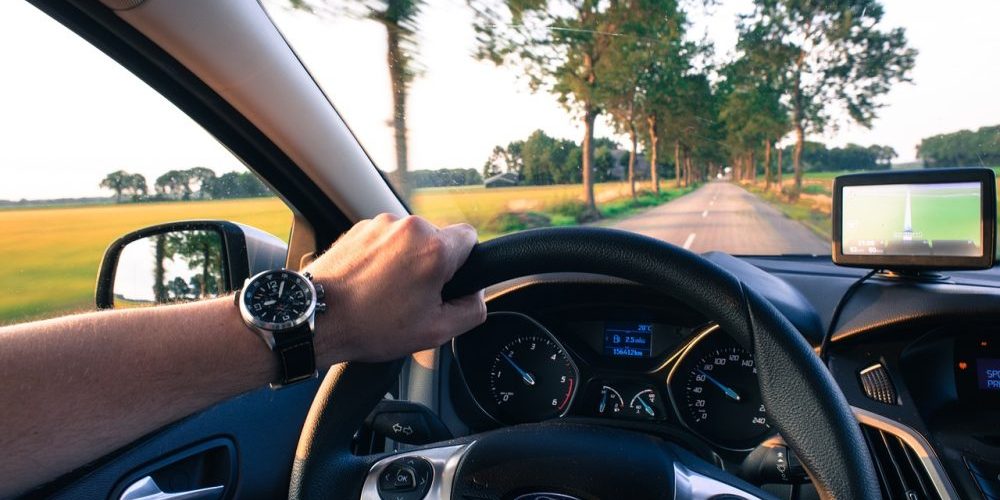
Safe driving practices for solo travelers
Adopting safe driving practices is essential for solo travelers to minimize risks and navigate the road with confidence. Here are some crucial tips to keep in mind:
- Obey traffic laws and speed limits: Respect local traffic regulations and posted speed limits to avoid accidents and potential legal issues.
- Adjust your driving style: Adapt your driving style to account for changing road conditions, weather, and traffic patterns. Slow down in inclement weather or unfamiliar areas, and be extra cautious when navigating winding roads or construction zones.
- Minimize distractions: Avoid activities that could divert your attention from the road, such as using your phone, adjusting the radio, or eating while driving.
- Stay focused and alert: Take regular breaks to combat fatigue and maintain your focus on the road. Avoid driving under the influence of alcohol or any substances that may impair your judgment or reaction time.
- Practice defensive driving: Be aware of your surroundings and anticipate potential hazards or erratic behavior from other drivers. Maintain a safe following distance and use turn signals to communicate your intentions clearly.
- Keep your vehicle secure: Lock your vehicle and secure any valuables out of sight when leaving your car unattended, even for short periods.
By adopting these safe driving practices, you’ll not only protect yourself but also demonstrate courtesy and consideration for other road users, contributing to a safer and more enjoyable experience for all.
Dealing with emergencies and breakdowns
Despite your best efforts, unexpected emergencies or breakdowns can still occur during a solo road trip. Being prepared and knowing how to handle these situations can make a significant difference in ensuring your safety and minimizing disruptions to your journey. Here are some tips for dealing with emergencies and breakdowns:
- Stay calm and assess the situation: If you encounter an emergency or breakdown, pull over to a safe location, turn on your hazard lights, and take a few deep breaths to remain composed. Assess the situation and determine the appropriate course of action.
- Call for assistance: If you need roadside assistance or emergency services, have the contact information for reliable providers readily available. Provide your exact location and a clear description of the situation.
- Be visible and cautious: If you need to exit your vehicle, do so with caution and make yourself visible to other drivers by wearing reflective gear or placing warning triangles or flares behind your vehicle.
- Trust your instincts: If you feel unsafe in a particular situation or location, prioritize your personal safety and seek alternative assistance or accommodations.
- Keep emergency supplies on hand: Maintain a well-stocked emergency kit in your vehicle, including items like a spare tire, jumper cables, a first aid kit, and basic tools, to help you address minor issues or breakdowns.
- Document the incident: If you’re involved in an accident or encounter any issues, document the details with photos or notes, and report the incident to the appropriate authorities or your insurance provider as soon as possible.
By remaining calm, seeking assistance when needed, and being prepared with the necessary supplies and information, you’ll be better equipped to handle emergencies and breakdowns with confidence, minimizing the impact on your solo road trip experience.
Safety tips for parking and overnight stays
Finding safe and secure places to stop on road trip and spend the night is a crucial consideration for solo travelers on a road trip. Here are some tips to help you stay safe during parking and overnight stays:
- Choose well-lit and populated areas: When possible, park in well-lit and populated areas, such as busy shopping centers, hotels, or designated rest areas. Avoid secluded or poorly lit locations.
- Lock your vehicle and secure valuables: Always lock your vehicle and ensure valuables are out of sight or stored securely when leaving your car unattended, even for short periods.
- Research and plan your overnight accommodations: If you’re planning to stay overnight at a hotel, motel, or campground, research the location and read reviews to ensure it’s a safe and reputable establishment. Book accommodation in advance when possible.
- Consider alternative accommodations: If you’re uncomfortable staying in a particular area, consider alternative accommodations such as staying with friends, family, or in well-reviewed vacation rentals.
- Trust your instincts: If a location or situation doesn’t feel safe, trust your gut and find an alternative place to park or stay overnight.
- Notify others of your whereabouts: Let a trusted friend or family member know where you plan to stop for the night and provide them with the contact information for your accommodation.
By taking these precautions and being mindful of your surroundings, you can minimize potential risks and enjoy a more secure and restful overnight experience during your solo road trip.
Personal safety precautions for solo travelers
As a solo traveler, especially as a female solo traveler where 25% have feared for their safety while travelling., it’s essential to prioritize your personal safety and take proactive measures to protect yourself throughout your journey. Here are some crucial personal safety precautions to consider:
- Trust your instincts: If a situation or person makes you feel uncomfortable or unsafe, trust your gut and remove yourself from the situation immediately. Your safety should always be the top priority.
- Be aware of your surroundings: Stay alert and observant of your surroundings, especially in unfamiliar areas or crowded places. Avoid wearing headphones or being distracted by your phone, which can make you an easier target.
- Carry personal safety items: Consider carrying personal safety devices such as a whistle, pepper spray (where legal), a stun gun, or a personal alarm to deter potential threats and attract attention if needed. Self-defense tools can provide an extra layer of security.
- Limit sharing personal information: Be cautious about sharing too much personal information, such as your travel plans or accommodation details, with strangers or on social media.
- Dress appropriately: Dress in a way that doesn’t draw unnecessary attention to yourself and allows you to move freely if needed.
- Learn basic self-defense techniques: Consider taking a self-defense class or learning basic self-defense techniques to boost your confidence and preparedness in case of a confrontation.
- Carry emergency contact information: Keep a list of emergency contacts, including local police or embassy numbers, readily available in case you need to seek assistance or report an incident.
By prioritizing your personal safety and taking proactive measures, you’ll be better equipped to navigate potential risks and enjoy your solo road trip with greater peace of mind and confidence.

Connecting with others and staying in touch during your road trip
While solo travel offers the freedom and independence to explore on your own terms, it’s also important to maintain connections with others and have a support system during your road trip. Here are some tips for staying in touch and connecting with others along the way:
- Share your itinerary: Provide your travel plans and itinerary to trusted friends or family members, and establish a regular check-in schedule to update them on your whereabouts and well-being. Share your location with loved ones so they can support you from afar.
- Join online communities: Participate in online forums or social media groups dedicated to solo travel or road trips. These platforms can provide valuable tips, advice, and opportunities to connect with fellow travelers.
- Attend local events or meetups: Research local events, festivals, or meetups in the areas you’ll be visiting and consider attending to meet like-minded individuals and potentially join group activities or tours.
- Stay at social accommodations: Consider staying at hostels, campgrounds, or other social accommodations where you can interact with fellow travelers and potentially find travel companions for portions of your journey.
- Be open to spontaneous connections: While exercising caution, remain open to engaging in friendly conversations with locals or other travelers you encounter along the way. These spontaneous connections can lead to valuable insights, recommendations, or even lasting friendships.
- Embrace technology: Utilize video calling apps or social media to stay connected with friends and family, share your experiences, and seek support or advice when needed.
By maintaining connections with others and embracing opportunities to interact with fellow travelers or locals, you’ll not only enhance your sense of safety and security but also enrich your solo road trip experience with valuable connections and shared moments.
Conclusion: Enjoying a safe and memorable solo road trip
Embarking on a solo road trip can be an incredibly rewarding and transformative experience, offering the freedom to explore at your own pace, embrace spontaneity, and discover new facets of yourself. By following these essential solo road trip safety tips and taking proactive measures, you can navigate the challenges of solo travel with confidence and create unforgettable memories that will last a lifetime.
Remember, safety should always be your top priority, but it doesn’t have to come at the expense of adventure and excitement. By staying alert, planning ahead, and trusting your instincts, you can strike the perfect balance between embracing the thrill of the open road and ensuring your well-being throughout your journey.
As you prepare for your solo road trip adventure, remember to prioritize safety and make it an integral part of your planning and decision-making process. Consider investing in travel insurance for added peace of mind. Conduct thorough car safety checks before hitting the road. Pack essential items like a first aid kit and backup plans. And always stay aware of your surroundings, whether you’re driving cross country alone, solo hiking, or solo camping.
By incorporating these essential tips into your journey, you’ll be able to hit the road with confidence as a female solo traveler, embrace the freedom of solo driving, and create lasting memories that will inspire you for years to come. Safe travels, and enjoy the ride!